
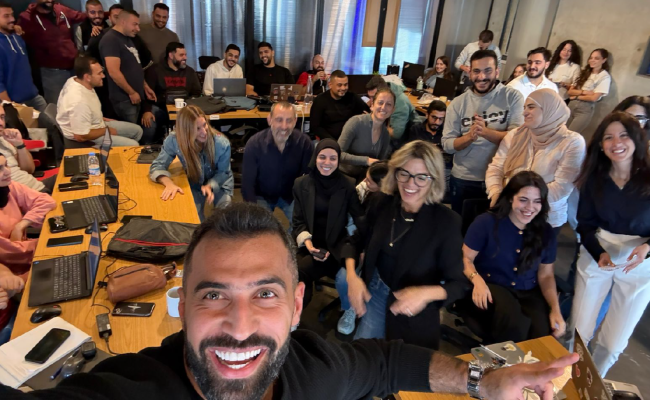
Peak season is often talked about as an exception. A few intense weeks. A temporary spike. A moment to survive. But in logistics, peak season doesn’t create new problems. Rather, it reveals the ones you’ve already been living with.
Here at Wakilni, we’ve come to see peak season less as a finish line and more as a stress test for everyday work. The kind that shows whether the systems, decisions, and habits built over months can actually hold when demand rises and tolerance drops, and helps set the tone for the year ahead.
This past peak season was our strongest so far. Not because it was easier, but because the everyday work behind it was stronger.
When Pressure Hits, the Small Things SurfaceWhen volumes increase, nothing stays hidden for long. Receiving delays become visible. Bottlenecks show up faster. Misaligned expectations turn into real friction.
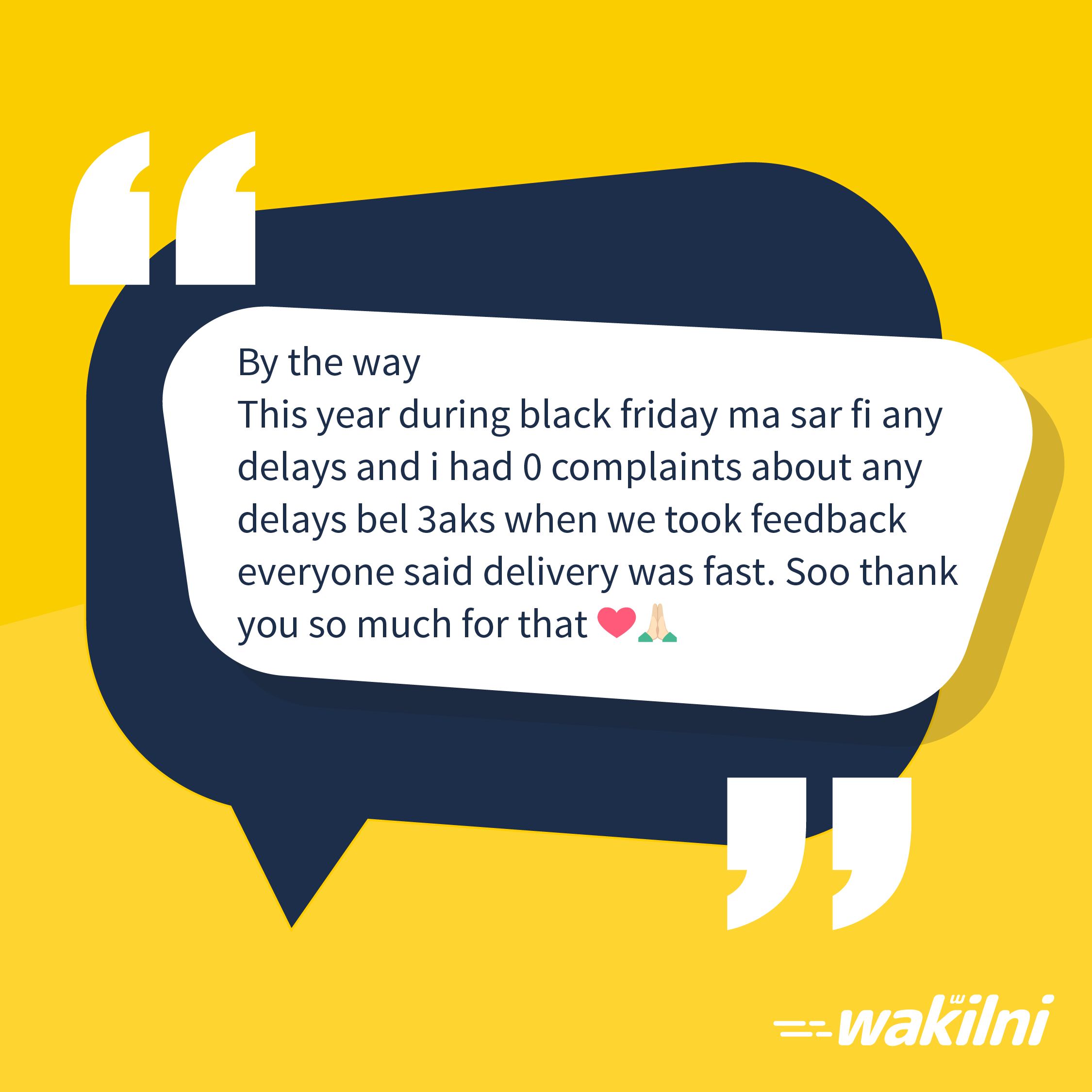
This year, despite delivering more orders per day than last year, we saw a different pattern emerge. Active orders on hand were lower, dwell time dropped by roughly one full day, and a much larger share of orders reached customers within shorter delivery windows.
These improvements didn’t come from pushing harder during peak season. They came from work done long before pressure arrived, because we had already spent the year improving on what usually gets deprioritized when things are “good enough.”
There was no single silver bullet behind this season’s performance. What made the difference was a series of deliberate, often invisible decisions taken throughout the year.
Over time, we expanded coverage, added the right resources across teams, reviewed processes end to end, reduced redundancy, and refined how our tech tools are actually used on the ground.
We also took a closer look at inefficiencies, both internal and client-driven, and adjusted our pricing model to reflect operational reality rather than masking it.
None of this was done for peak season. It was done to make everyday operations healthier. Peak season simply confirmed that those choices mattered.
Planning Together, Not Reacting ApartOne of the most important shifts this year was relational. Instead of treating peak season as something to manage internally and explain externally, we chose to plan it together with our clients.
Before the season began, we reached out to clients and sat down for honest business reviews. Together, we looked at past performance, discussed where pressure tends to build, and aligned on what really matters when volumes rise.
What became clear early on was that a successful peak season is not delivered by one side alone. Protecting the customer experience is a shared responsibility, and it requires work on both ends.
On our side, it meant preparing capacity, processes, and teams. On the client side, it meant timely order placement, accurate addresses, clear communication, and strong after-sales follow-up.
When both sides showed up prepared, the entire system moved more smoothly.
That alignment changed the tone of peak season entirely:
- Expectations were clearer.
- KPIs were shared.
- Special requirements were agreed on in advance.
Peak season stopped being a reactive exercise and became a coordinated one, built on accountability instead of assumptions.
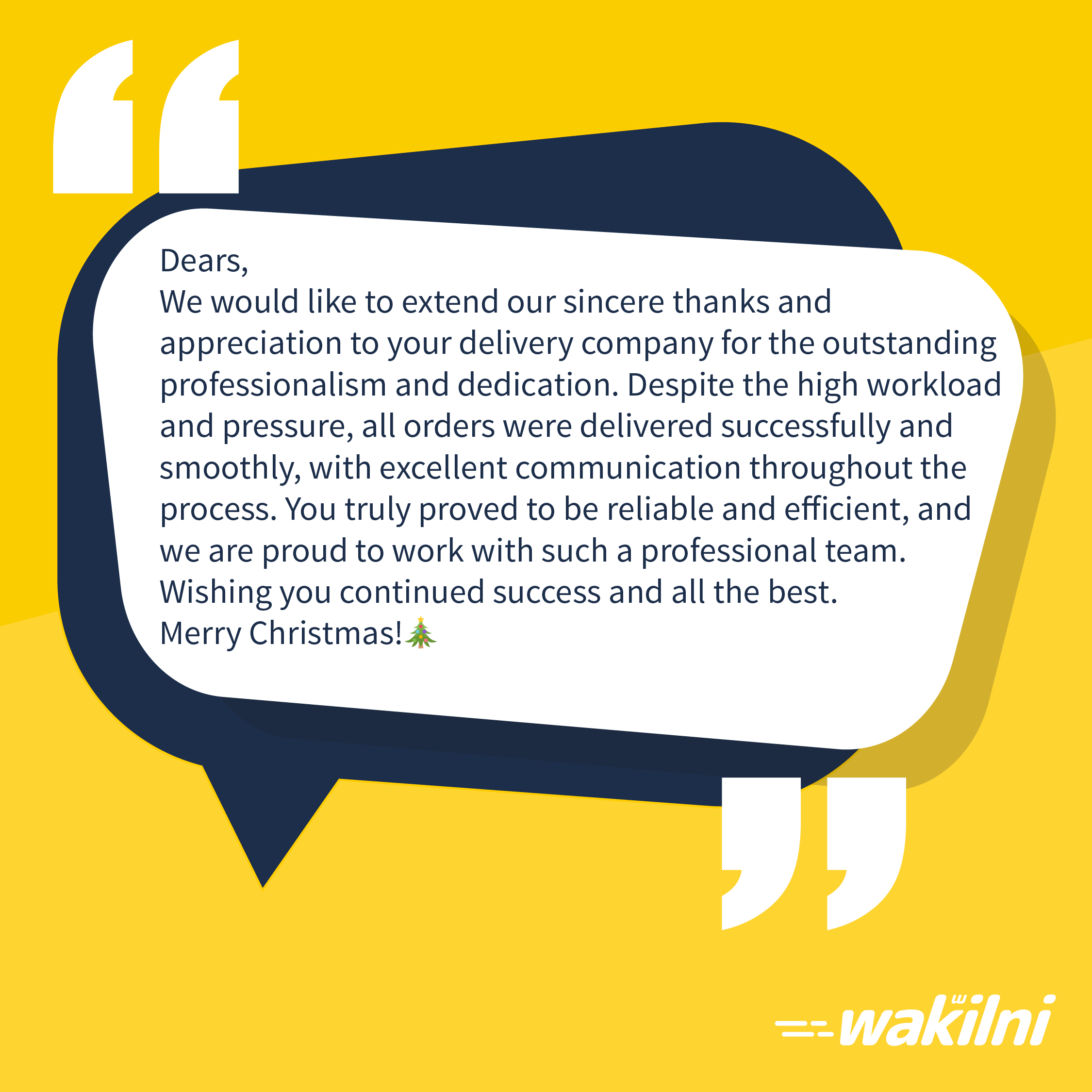
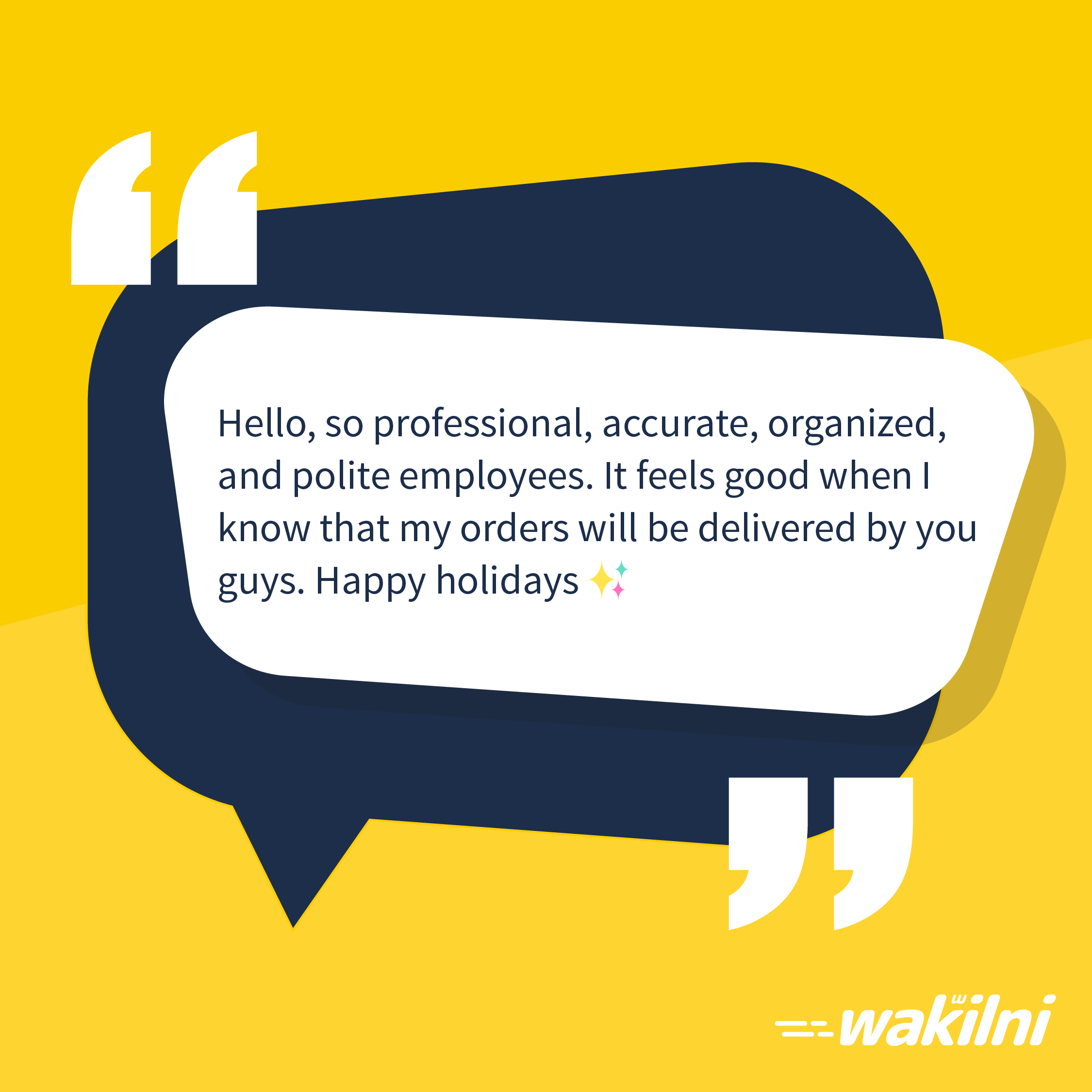
This season reinforced our values.
Growth, personal or operational, comes from showing up every day with a mindset of partnership and a drive for excellence.
The work done quietly throughout the year is what carried us through peak season. Ownership, agility, and a growth mindset remain Wakilni’s strongest drivers.
Consistency in service levels and value creation is more sustainable than short-term savings. Protecting the delivery experience during high-pressure periods is more rewarding in the long run than optimizing for a few cents per order.
Volume growth built on reactive discounts, diminishing service value, or weak execution weakens the entire ecosystem.
Real value creation requires creativity, partnership, and a willingness to plan for pressure instead of racing to the bottom when it arrives.
Peak Season Is a MirrorThis year, what we saw reflected back at Wakilni was the result of a clear strategy, honest adjustments, and a shared understanding that everyday work matters most when pressure is highest.
When the season passed, yes there was a sigh of relief, but what truly remained was the confidence that the everyday work is moving in the right direction.

 Track Orders
